Out of South Africa and Stellenbosch Conference

I visited Stellenbosch and Capetown in December, 2019 to present my research on Historical Narrative and Representations of the Collective Trauma of Guernica at the Recognition Reparation Reconciliation – The Light and Shadow of Historical Trauma Conference at Stellenbosch University in South Africa. There are many impressions from this beautiful country, but the most lasting one will be its extraordinary natural beauty from Cape of Good Hope to Franschhoek vineyards, from Camps Bay to the Waterfront. The biggest treasure of this country, though, are its diverse and welcoming people.

South Africa is still struggling with its difficult history and the nation is in constant conversation about the past. It made perfect sense to me to fly 20 hours from Korea to Capetown because South Africa is the place to talk about reconciliation, overcoming divisions and forgiveness. The conference I attended aimed to deepen understanding of the transgenerational repercussions of traumatic pasts in a range of cultural contexts, to explore how different disciplines represent this transgenerational phenomenon, and through a comparative lens, to contribute to new knowledge production in this area of research. The starting point is that engaging in this comparative reflection is more essential than ever, to advance scholarship and to create a new archive that understands memory and traumatic pasts as transnational and cross-cultural. The discussions were focused on strategies that might quell the haunting repercussions of genocide, slavery, colonial oppression, and mass violence that play out in the lives of affected individuals and groups from both sides of these acts.

Reconciliation is still ongoing in South Africa and I found a lot of parallelism with the Balkans and other places dealing with the consequences of violent conflicts. Grievances, pain and suffering are palpable and people need some time to heal. But we need to be aware that memory changes and is selected by groups and individuals. The puzzle is how we can represent historically contentious events in a way to promote positive peace. I argued in my presentation, “Awareness of the selectivity of memory and the cyclical nature of historical narrative is the first step to reconciliation. Second step is creation of the political and cultural spaces in which diverging narratives of the past can co-exist despite the differences.” I am looking forward to contributing a chapter to an edited volume with my South African colleagues on the topic of representations of historical trauma. New and interesting contacts and collaborations are the most treasured outcomes of such gatherings.
As I was leaving Capetown, I had one thought: 'I will be back.' There is so much more to see and explore in this great country.
#south africa#stellenbosch#reconciliation
Share: LinkedIn · X · Facebook
About the author
Borislava Manojlovic is a professor, researcher and author on peace education and conflict resolution, and a passionate traveler.
Comments
Related posts
Lessons from the Quarantine
How will the world change is possibly one of the most important questions many of us ask in the age of corona pandemic.
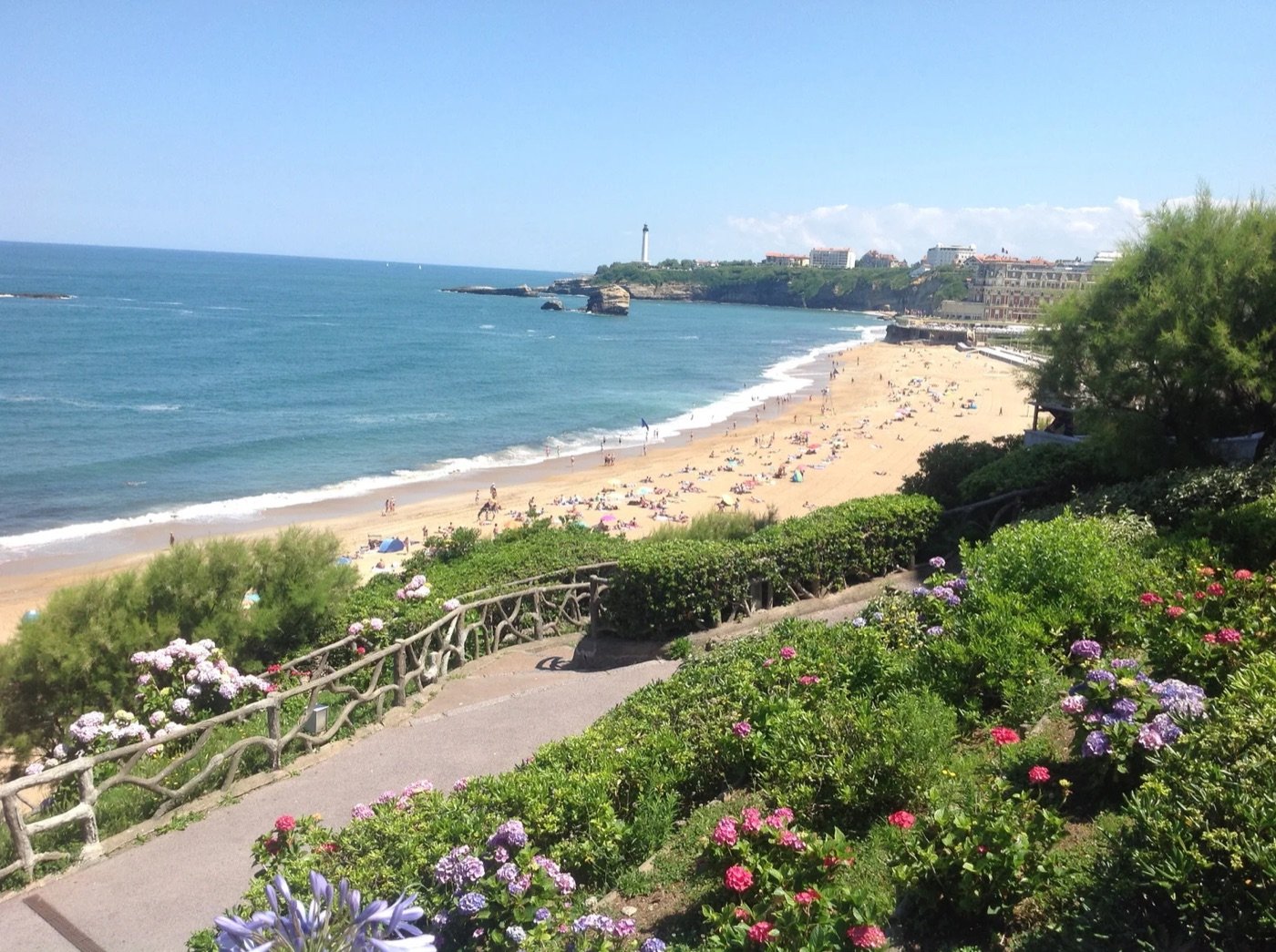
Impressions from the Basque Country
Traveling from the cool and cloudy Bilbao towards the sweltering heat of Barcelona, I feel a tinge of regret for the unseen, undiscovered, of inability to savor all the wonders of one place in a short period of time.